
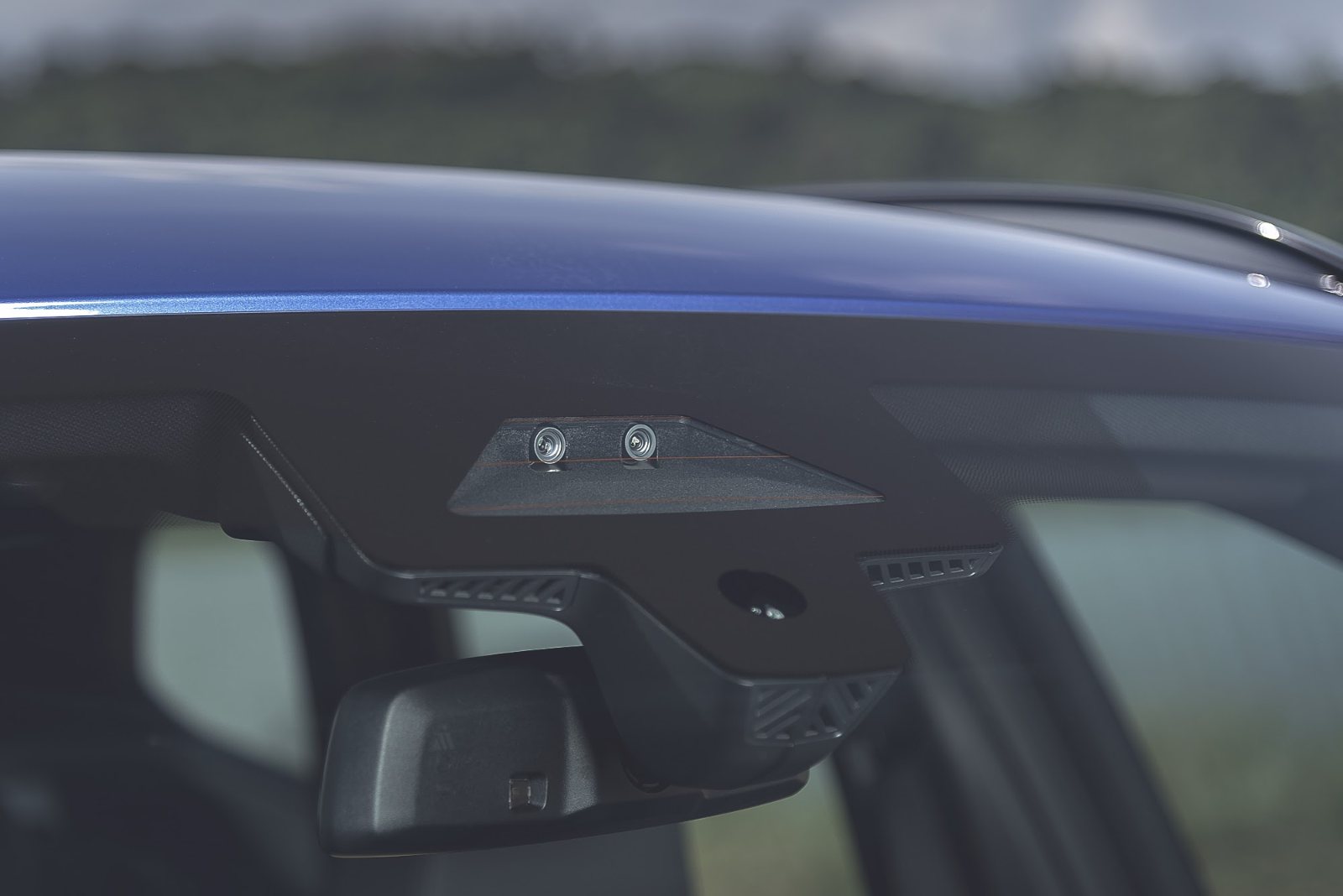
The Government has dropped its proposal to make autonomous emergency braking (AEB), lane support, and acoustic vehicle alerting compulsory on vehicles imported into New Zealand, new and used.
The NZ Transport Agency (NZTA) confirmed the decision in mid-October. Associate Transport Minister James Meager had asked officials for further analysis after consultation closed last December.
What was proposed
Light vehicles entering the fleet would have needed AEB, either lane departure warning or lane keep assist, and — on hybrids and EVs — an acoustic vehicle alerting system that makes an external sound at low speed. New models would have had to comply from October 2026, with existing models and used imports following in July 2027.
The heavy-vehicle side of the package included electronic stability control and anti-lock braking for imported trucks, both already mandatory on light vehicles. Transporting New Zealand had backed those two for trucks, but not lane-keep support or heavy-vehicle AEB until source markets and global standards caught up. None of it will now proceed, for new or used, light or heavy vehicles.
NZTA says many new vehicles arriving here already have these features and they are expected to become standard over time, so a mandate would mostly bring forward uptake that is coming anyway. Analysis by the Ministry for Cities, Environment, Regions and Transport found it would add limited safety benefit while potentially increasing vehicle costs. Vehicles without the features can still be imported and sold.
Importers welcome it
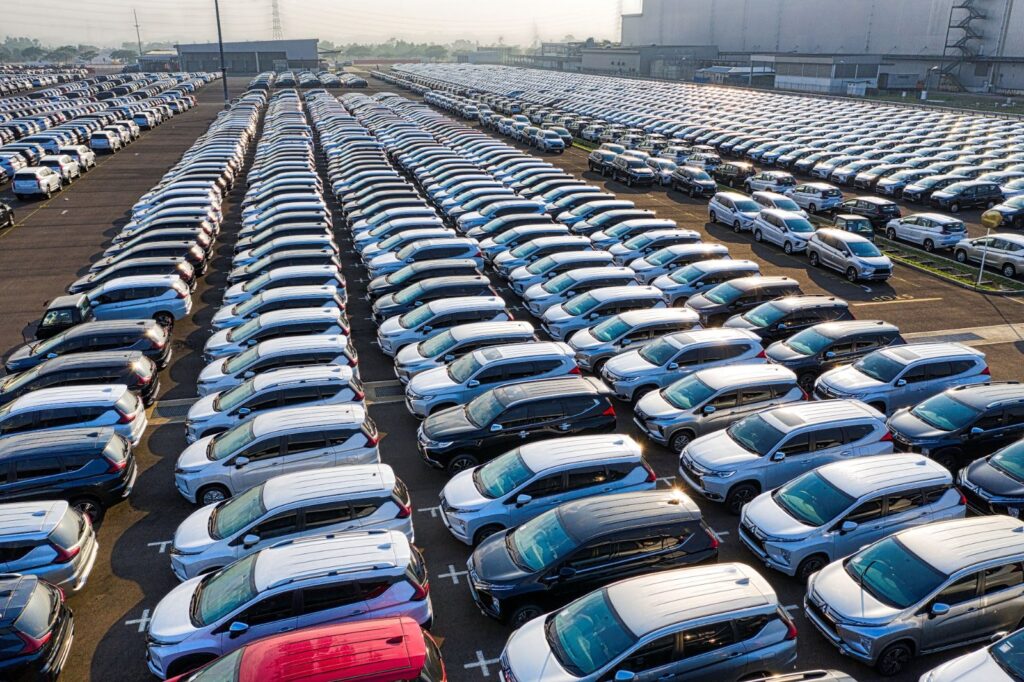
The Imported Motor Vehicle Industry Association (VIA) welcomed the decision. Its December submission estimated that around half of the affordable used-import supply could be affected by a July 2027 start, with lane support the biggest obstacle in the older, lower-cost vehicles that come from Japan. VIA had proposed used-vehicle dates of 2035 for AEB and lane departure warning, and 2037 for lane keep assist.
“Mandating technology before it is widely available in the affordable used vehicle market risks making replacement vehicles more expensive and reducing the range of vehicles available to consumers,” says VIA chief executive Greig Epps.
He says the average used import is now 10 to 11 years old, so technology introduced on new vehicles overseas takes years to reach prices New Zealand buyers can pay.
“If regulation makes those replacement vehicles harder to obtain, people may keep their existing, older vehicles for longer. That can work against the very safety improvements the regulation is intended to achieve.”
The case for the mandate
The Motor Industry Association (MIA), which represents new-vehicle distributors, had also backed the mandate in its submission, while asking for a realistic transition that included at least two years between the new-model and all-models dates.
The Motor Trade Association (MTA) supported the proposal and calls the decision a missed opportunity, particularly for new vehicles.
“Most new vehicles coming into New Zealand already have these features, so the cost of locking them in was low, and it would have set a clear baseline for the fleet,” says MTA head of advocacy James McDowall.
MTA accepted that verifying features vehicle by vehicle would be hard for used imports, and that any transition had to reflect what is available in the source market. Its argument is that change should have been phased, not abandoned. McDowall points to acoustic alerting on quiet EVs and hybrids as an example: a clear benefit for pedestrians at relatively low cost.
MTA also ties the decision to the warrant of fitness changes, which move vehicles up to 14 years old to two-yearly inspections.
“The safety features consulted on in parallel were the one thing the Government could have pointed to as lifting the safety baseline while inspection intervals lengthened. Dropping all of them removes even that.”
Keeping the systems working
Mandated or not, the technology is arriving in the fleet. The practical issue McDowall raises is keeping it working: camera and radar systems need recalibrating after windscreen replacement, bumper work, or collision repair, and he says that still needs proper standards behind it.
“That work doesn’t go away with this decision.”


