
Hybrids and EVs share the hoists with diesel utes. Driver-assist cameras and radar sit behind windscreens and bumpers, A/C systems run newer refrigerants that need different handling, and diagnostic tools can do more than ever, if the technician knows how to drive them. The vehicles have moved on, but training doesn’t always keep pace.
Too many technicians still learn new systems on the job, from a forum post or a quick look over someone’s shoulder. That is slow and risky, and it costs workshops time and money. Aquipe was set up to change that. The New Zealand company gives automotive and heavy-vehicle technicians practical skills they can use the next day, through hands-on courses built around real tools and real vehicles.
The trainer

Aquipe’s trainer, Hamish, is based in Auckland and travels the country delivering A/C, EV and high-voltage safety, and diagnostics training to workshops of every size, from independent garages to large fleet operations. He doesn’t just teach the equipment — he works with it. He has set up, calibrated, and supported diagnostic and workshop equipment in businesses around the country, so he knows where technicians get stuck and what matters on a busy workshop floor.
That background shapes how he teaches: less time reading slides and more time with hands on the tools. Hamish explains the reason behind each step, then gets everyone doing it so the skills stick.
“The best training is the kind you use on Monday morning,” says Hamish. “If a tech walks out of a course and confidently handles the next hybrid or A/C job that comes through the door, we’ve done our job.”
2027 course calendar
Scheduled courses run from February to November 2027 in Auckland, Wellington, and Christchurch. Each is a full practical day with a small group, and every attendee receives a certificate of completion.
Air Conditioning covers R134a and R1234yf systems, refrigerant recovery, leak detection, and the rules that apply in New Zealand workshops, so technicians can diagnose and service a system properly rather than simply top it up.
EV and High-Voltage Safety teaches technicians to recognise high-voltage systems, follow safe isolation procedures, choose and check the right PPE, and work confidently around electrified vehicles. For workshop owners, it is a practical way to meet health and safety duties and protect the team.
Scan Tool Diagnostics goes beyond reading fault codes to using live data, guided tests, and system functions to find faults faster and fix them the first time. Scope Diagnostics builds confidence with oscilloscope set-up and reading waveforms, and using them to pin down sensor, actuator, and network faults a code reader can’t see.
On-site training
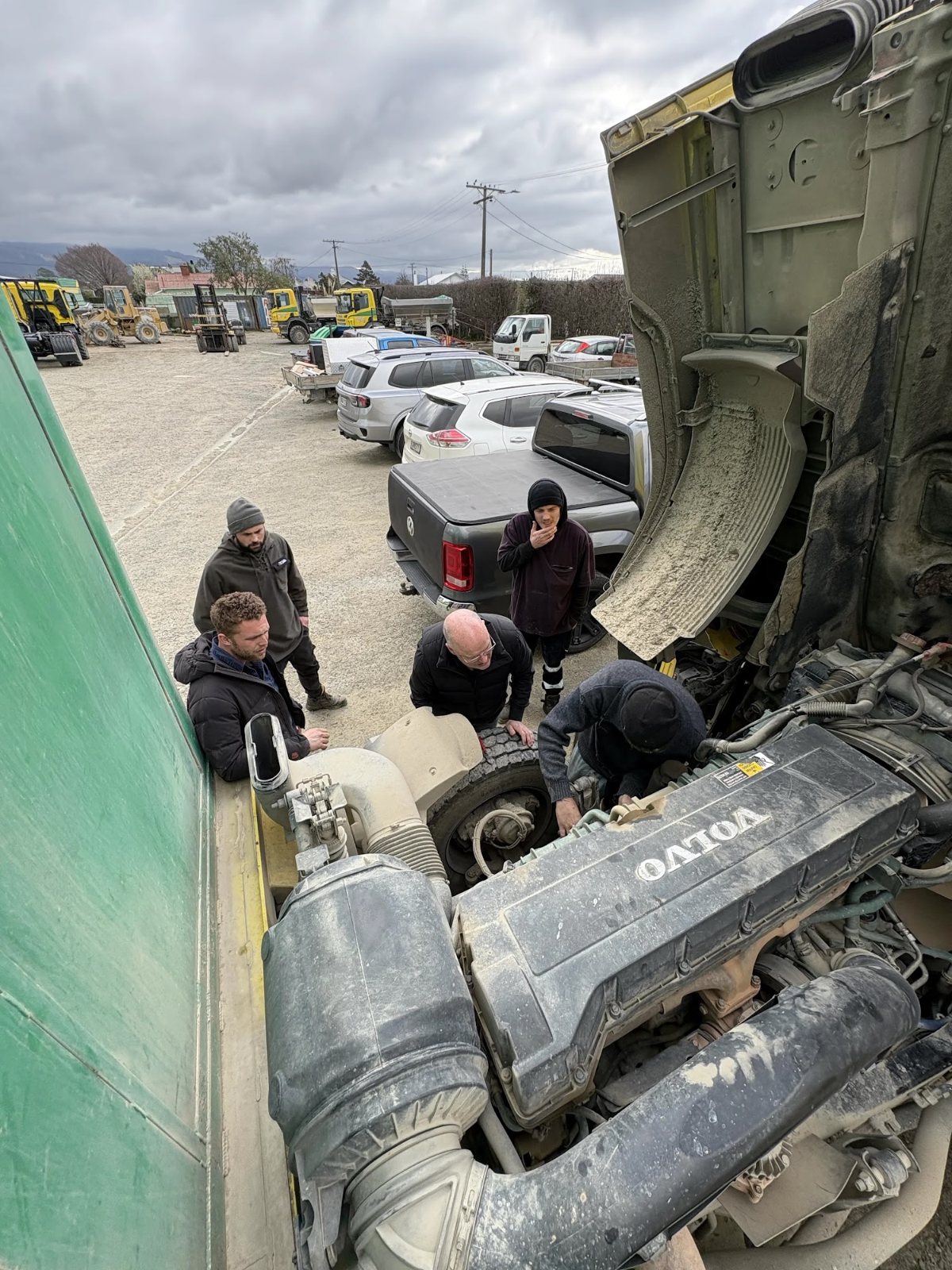
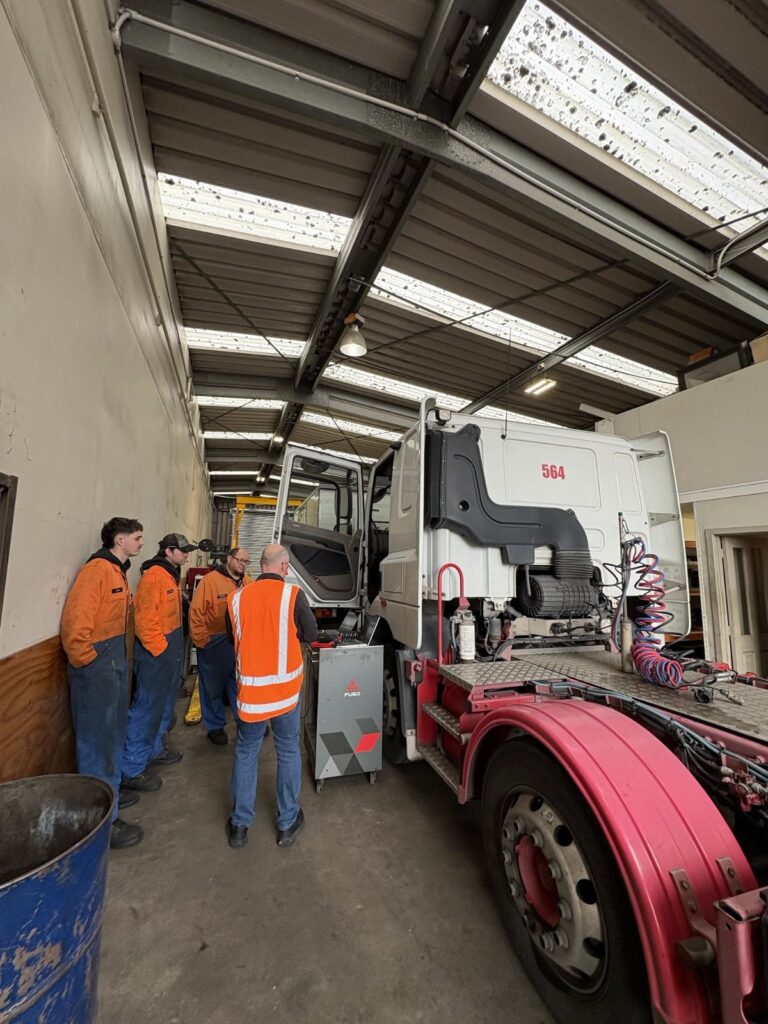
Not every team can down tools and travel to a city course, so a big part of Aquipe’s work happens on site. Hamish comes to the workshop and trains technicians on their own equipment and vehicles, so nothing needs adapting when they get back to work.
Sessions can be shaped around the work a business does — commercial-vehicle diagnostics for a fleet workshop, for example, or a half-day EV safety refresher for a busy independent garage. Half-day and full-day Jaltest sessions are also available for workshops running Jaltest diagnostics on trucks, buses, and light commercials. For owners, that means no travel or accommodation, a team back on the tools straight after, and everyone learning the same methods at the same time.
The case for training
Customers bring in more hybrids, EVs, and vehicles packed with driver-assist technology every year. A workshop that can’t service them confidently sends that work, and those customers, elsewhere. High-voltage systems also demand respect, and under New Zealand’s health and safety law, a business must ensure its people can work safely — structured training is one of the clearest ways to show that duty has been taken seriously. Good technicians want to keep learning too, and investing in their skills helps a workshop keep them.
The 2027 calendar is open at aquipe.nz, and workshops that register their interest will be first to hear when further dates are released.
For more information, visit aquipe.nz or email training@aquipe.nz


